


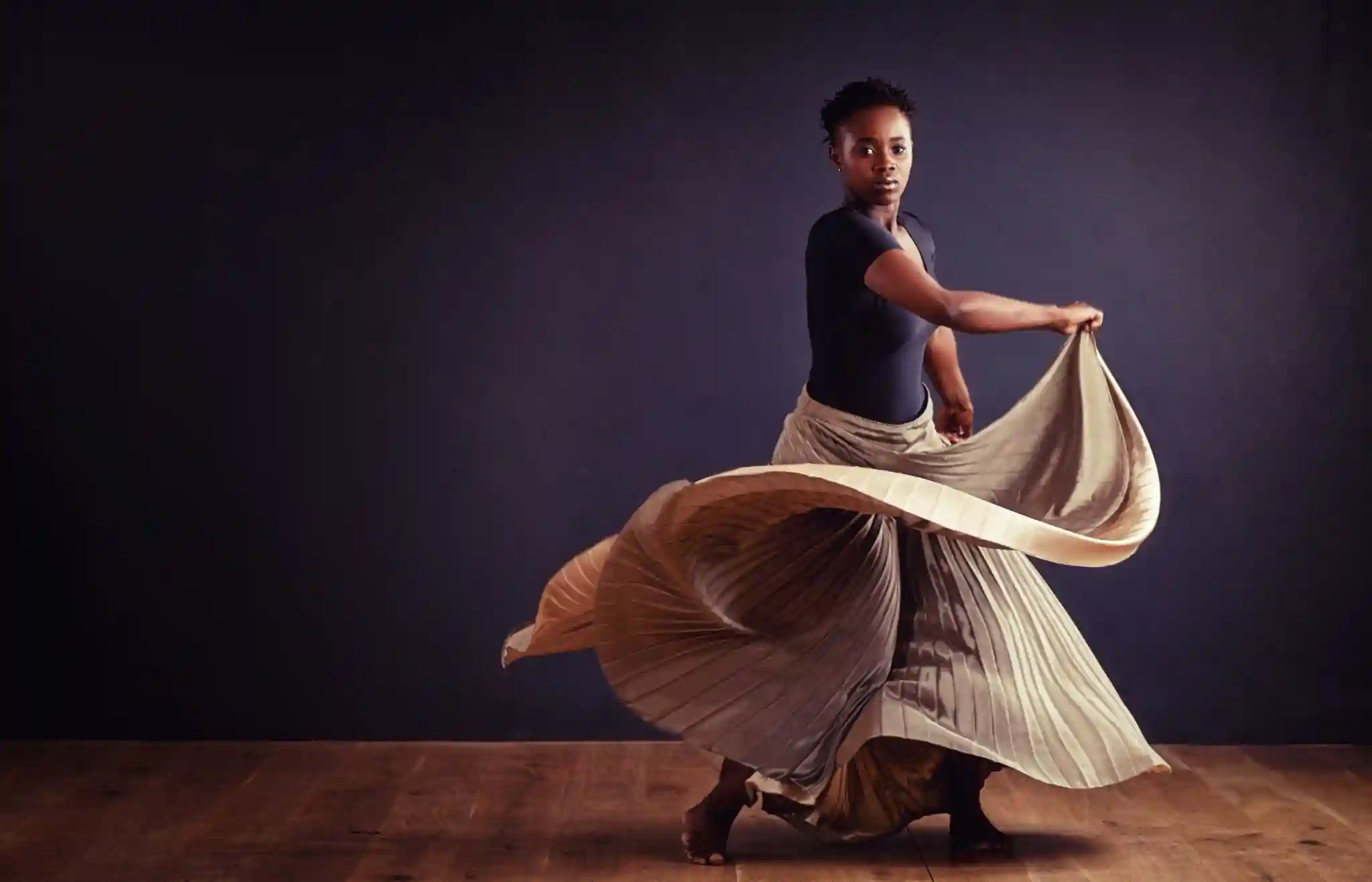
Performance art is one of the most provocative and transformative forms of modern fine art. It cannot be neatly classified into painting, sculpture, or theater because it fuses elements from all these disciplines into a live, experiential medium. At its core, performance art is about presence, interaction, and the emotional and conceptual experience it creates for both the artist and the audience. Unlike traditional art forms that produce tangible objects, performance art exists in time, often fleeting, ephemeral, and impossible to replicate exactly. Its significance lies not in permanence but in impact, connection, and dialogue. For viewers, it offers a space to experience art as a living, breathing interaction that challenges perceptions and invites reflection.
From street performances to high-concept gallery works, performance art continues to question social norms, explore identity, and engage with cultural, political, and emotional landscapes. Understanding performance art requires an open mind, a willingness to confront discomfort, and a recognition that sometimes the most profound moments occur not in beauty, but in the act itself.
Tracing the Origins of Performance Art
The history of performance art is deeply intertwined with avant-garde movements that sought to break free from traditional artistic conventions. Artists of the early 20th century were frustrated with static forms of expression and began experimenting with gesture, action, and audience involvement as integral parts of their art. Performance art emerged as a radical approach, challenging both the art world and societal norms by merging life and creativity in unpredictable ways.
Early Avant-Garde Movements
Movements like Dada, Futurism, and Surrealism were instrumental in laying the foundation for performance art. Dadaists responded to the chaos of World War I by embracing absurdity, chance, and anti-establishment gestures, creating experiences designed to shock and provoke audiences. Futurists celebrated speed, technology, and industrial progress, often incorporating theatrical elements into public exhibitions. These early pioneers emphasized the process, action, and experiential quality of art over aesthetic perfection or traditional craftsmanship.
1960s Experimentation and Happenings
The 1960s were a turning point, with the emergence of “Happenings” and Fluxus events, which blurred the lines between art and daily life. Artists such as Allan Kaprow, Nam June Paik, and Yoko Ono created performances that were participatory, ephemeral, and often unpredictable. The goal was not simply to present an artwork but to immerse audiences in an experience, making them collaborators in the artistic process. These events emphasized spontaneity and direct engagement, demonstrating that art could be interactive, political, and deeply personal simultaneously.
Core Elements that Define Performance Art
Performance art stands apart because it prioritizes concepts, interaction, and experience over static representation or aesthetic beauty. While it may borrow elements from theater, dance, or music, its focus is on the meaning, presence, and context of the work.
Time, Space, and Presence
The temporal nature of performance art makes time itself a medium. Performances often last for minutes, hours, or even days, and the passing of time contributes to the work’s meaning. Space, too, is crucial—whether in a gallery, theater, public plaza, or online environment. The artist’s body and movement transform the surroundings into a living canvas, turning ordinary locations into sites of artistic exploration. Audience proximity and engagement are often manipulated to create intimacy, tension, or confrontation, emphasizing that performance art is as much about spatial experience as conceptual intent.
Concept Over Aesthetic
Unlike traditional art forms, performance art values ideas above visual perfection. Conceptual depth drives the work, and the artist may intentionally eschew conventional beauty to provoke reflection or challenge assumptions. Actions, gestures, and interactions convey messages about society, politics, human psychology, or personal narrative. The ephemeral nature of these works underscores that meaning is found in the experience, not the physical artifact, compelling viewers to engage mentally and emotionally rather than passively observing.
Influential Performance Artists and Their Legacy
Performance art has been shaped by pioneers whose work continues to influence contemporary practices. Their contributions illustrate the diversity of approaches and the powerful potential of live, experiential art.
Marina Abramović: Testing Limits of Endurance
Marina Abramović is a defining figure in performance art, known for works that test physical, emotional, and psychological limits. Her performances often involve long durations, audience participation, and extreme vulnerability, creating intense encounters. In pieces like “The Artist is Present,” Abramović demonstrates the power of presence, silence, and human connection. The audience becomes part of the performance, their reactions shaping the work in real-time, highlighting the symbiotic relationship between artist and observer.
Yoko Ono and Interactive Art
Yoko Ono’s contributions highlight performance art’s conceptual and participatory potential. Works such as “Cut Piece” invite audiences to become collaborators, questioning control, vulnerability, and social dynamics. Ono’s performances combine minimal physical action with profound social commentary, demonstrating how simplicity, interaction, and context can create powerful artistic statements that transcend traditional mediums.
Contemporary Approaches and Innovations
Modern performance art continues to evolve, incorporating technology, immersive experiences, and global audiences. Artists experiment with new platforms, multimedia integration, and participatory practices to engage audiences in unprecedented ways.
Digital Performance and Online Platforms
Digital technology has expanded performance art beyond physical spaces. Live streaming, virtual reality, and augmented reality performances allow artists to reach global audiences while maintaining interactivity. Online platforms enable real-time participation, feedback, and collaborative creation, offering fresh perspectives on the medium’s potential. These innovations preserve the ephemeral nature of performance while expanding access, allowing viewers worldwide to experience works that were once geographically restricted.
Immersive and Participatory Trends
Contemporary performance increasingly emphasizes audience participation. Immersive installations and experiential works encourage viewers to influence outcomes, becoming co-creators of the art. This approach fosters emotional engagement, empathy, and reflection, blurring the line between performer and observer. By making the audience an active participant, these performances transform spectatorship into a dynamic, communal experience.
How to Appreciate and Engage with Performance Art
For newcomers, performance art can feel challenging or ambiguous, but a mindful approach enhances understanding and enjoyment. Recognizing the importance of concept, context, and participation is key to meaningful engagement.
Open-Minded Observation
Viewers should approach performances without preconceived expectations. Embracing unconventional gestures, abstract actions, or provocative content allows the work’s intention and impact to emerge naturally. Observing with curiosity, rather than judgment, enhances emotional and intellectual connection.
Reflecting on Concept and Context
Understanding the social, cultural, or personal context of a performance adds depth. Artists often embed commentary on politics, identity, or human experience into their work, making reflection essential. By analyzing interactions, space, and audience response, viewers can appreciate the layers of meaning that go beyond the visible action, turning ephemeral moments into lasting insight.
Expert Advice
For those interested in curating, collecting, or studying performance art, expertise comes from a combination of research, observation, and practical engagement. Archival materials such as photographs, videos, scripts, and artist statements provide historical context and insight into conceptual frameworks. Attending live performances and experimental exhibitions allows first-hand experience of the ephemeral nature of the medium, revealing nuances that documentation alone cannot convey.
Collectors and curators must also understand logistical challenges. Because performances are temporary, careful documentation is essential. Experts recommend collaborating with artists to ensure authenticity when recreating or archiving works. Academic study complements practice, with resources in art history, cultural theory, and performance studies providing critical frameworks. Workshops, symposiums, and digital platforms further enhance understanding, allowing scholars to analyze trends, innovations, and audience engagement.
Integrating archival research, live observation, and technological tools creates a comprehensive approach to studying performance art. This methodology allows enthusiasts and professionals to engage deeply with the medium, preserving knowledge and fostering appreciation for its ephemeral yet transformative nature.
Conclusion
Performance art continues to challenge traditional notions of art, offering a unique space for experimentation, reflection, and dialogue that goes beyond what conventional mediums can achieve. Unlike paintings, sculptures, or even theater, performance art exists in the moment, making each encounter deeply personal and unrepeatable. Its roots in avant-garde movements of the early 20th century laid the groundwork for a practice that prioritizes concept, action, and audience engagement over aesthetic perfection. From these beginnings to modern immersive and digital experiences, performance art has consistently provoked, inspired, and challenged viewers to reconsider the boundaries of creativity and expression. By emphasizing presence, concept, and direct interaction, performance art not only reshapes cultural understanding but also encourages audiences to reflect on social, political, and personal themes in real time. Its ephemeral nature ensures that no two experiences are ever exactly alike, creating a lasting emotional and intellectual impact that extends far beyond the performance itself. Moreover, performance art’s power lies in its capacity to forge connections between people, inviting participation, empathy, and dialogue in ways that static art forms rarely can.
FAQ
How is performance art different from theater or dance?
Performance art prioritizes concept, audience interaction, and the artist’s presence over narrative or choreography.
How can beginners engage meaningfully with performance art?
Observe with an open mind, reflect on concept and context, and participate when invited to experience the work fully.
Who were key pioneers of performance art?
Dadaists, Futurists, Fluxus members, Marina Abramović, and Yoko Ono shaped the development of performance art through experimentation and audience engagement.
Can performance art be experienced digitally?
Yes, many contemporary works are streamed online or adapted for virtual reality, enabling global audiences to interact with performances remotely.

