


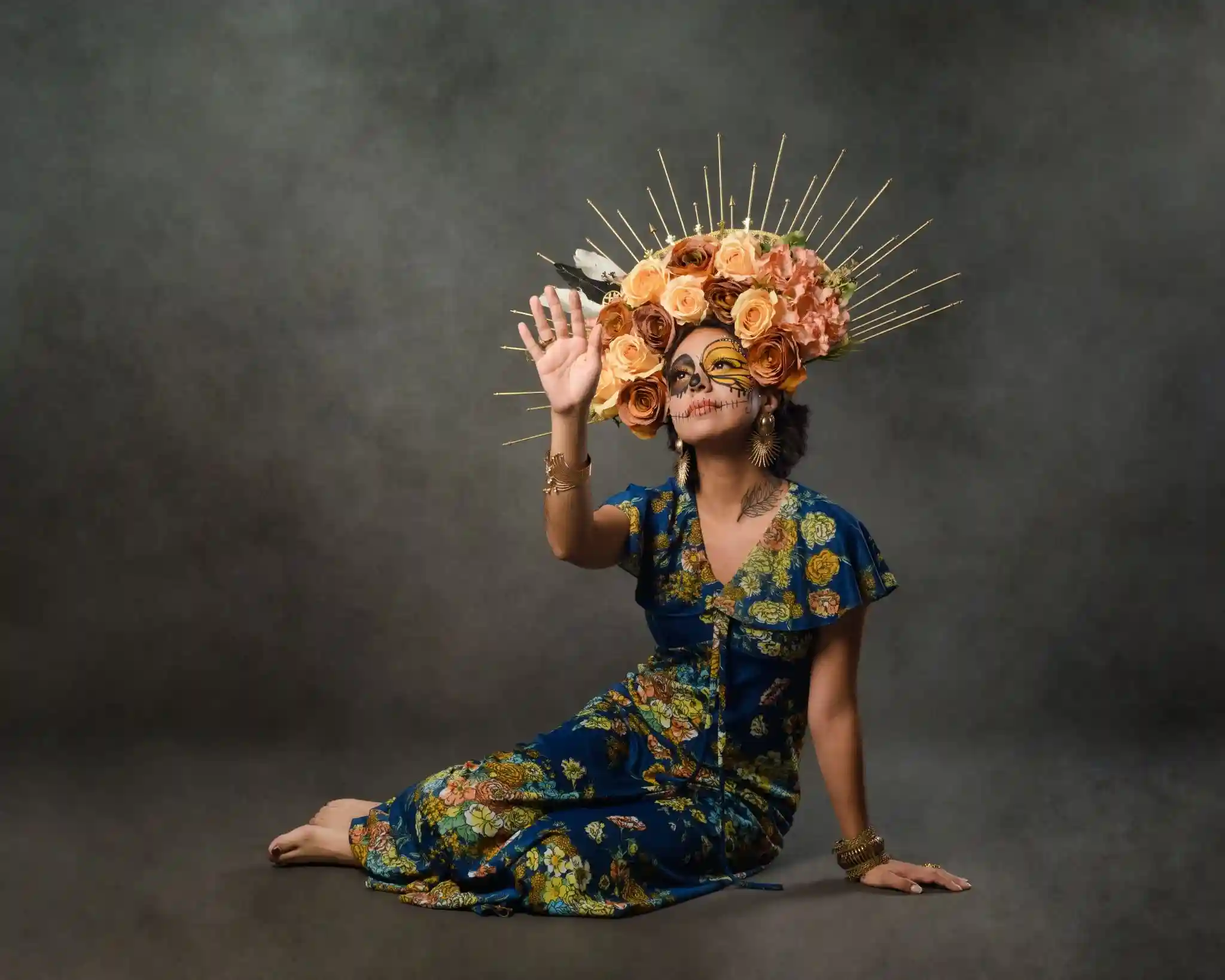
Performance art is one of the most provocative and transformative forms of contemporary art. Unlike traditional visual arts or theater, it defies easy categorization, blending elements of sculpture, painting, theater, music, and audience participation. Its essence lies in the experience rather than a static object, emphasizing time, presence, and interaction. For those seeking to explore human creativity beyond conventional mediums, performance art offers a window into expression that challenges boundaries and questions social norms. Its relevance extends beyond galleries, finding spaces in streets, digital platforms, and community settings, making it an art form that is both intimate and expansive. Understanding performance art requires openness, a willingness to engage emotionally, and a recognition that art is as much about the process as the outcome.
Origins of Performance Art
The roots of performance art stretch back to avant-garde movements of the early 20th century, where artists sought to break free from traditional artistic conventions. Dissatisfied with the limitations of painting and sculpture, early innovators experimented with action, gesture, and time as integral components of art. Performance art emerged as a radical response to cultural and political norms, reflecting society’s evolving perspectives and the artists’ desire to fuse life and art.
Dada and Futurism Influences
Dadaism and Futurism played a critical role in shaping the conceptual foundation of performance art. Dada artists, reacting to the absurdity of war and societal chaos, embraced randomness, nonsensical gestures, and audience disruption as forms of expression. Similarly, Futurists celebrated movement, speed, and industrial progress, incorporating theatrical elements into exhibitions and public demonstrations. These movements emphasized that art could exist outside traditional objects and could provoke thought and reflection through performance and gesture alone.
Fluxus Movement and the 1960s
The 1960s saw the rise of Fluxus and “Happenings,” which further blurred the line between art and life. Artists like Allan Kaprow and Nam June Paik created performances that invited participation, emphasizing spontaneity and interactivity. The purpose was not merely to entertain but to engage the audience in a shared creative experience, challenging the passive consumption of art. This era solidified performance art as a medium that was both political and philosophical, capable of addressing societal issues while exploring the boundaries of human perception and engagement.
Key Characteristics of Performance Art
Performance art distinguishes itself from other art forms through several defining traits. It is inherently ephemeral, often created for a specific moment and place. The work emphasizes concept and intention over aesthetic perfection, and the presence of the artist’s body is often central to the piece. Interaction with the audience is not just incidental but can be a core component, with spectators becoming participants who influence the outcome.
The Role of the Body and Space
The artist’s body is frequently both medium and message. Movement, posture, and physical endurance communicate ideas beyond words, transforming the body into a living canvas. The performance space itself becomes an integral element, whether a gallery, street, or digital environment. Space influences perception, creating tension, intimacy, or confrontation. Artists often manipulate proximity, lighting, and environment to engage viewers physically and emotionally, demonstrating that performance art is as much about spatial experience as conceptual message.
Ephemerality and Documentation
A defining feature of performance art is its transience. Unlike paintings or sculptures, performances exist only in the moment, leaving traces through documentation, photographs, or video recordings. This impermanence challenges traditional notions of ownership and preservation in the art world, raising questions about how to evaluate, archive, and study works that resist being fixed in a physical form. Documentation becomes a secondary artwork, capturing essence but never fully replicating the live experience, which underscores the unique, unrepeatable nature of performance art.
Iconic Performance Artists and Their Contributions
Certain artists have become synonymous with performance art, shaping its history and pushing its boundaries. Their work often combines personal exploration with societal commentary, influencing generations of creators.
Marina Abramović and the Power of Endurance
Marina Abramović’s performances often test the limits of physical and mental endurance, creating intense experiences that demand active engagement from audiences. Works like “The Artist is Present” illustrate the emotional exchange between performer and viewer, highlighting vulnerability, trust, and human connection. Abramović demonstrates that performance art is not just spectacle; it is a profound dialogue that explores empathy, presence, and the boundaries of personal and artistic courage.
Yoko Ono and Conceptual Performances
Yoko Ono’s contributions highlight the political and participatory potential of performance art. Early works such as “Cut Piece” invited audiences to interact directly with the artist, provoking reflection on issues of control, vulnerability, and social norms. Ono’s performances emphasize conceptual depth, illustrating how minimal action and audience involvement can communicate powerful messages, bridging art with activism and societal critique.
Performance Art Today: Trends and Modern Context
Contemporary performance art continues to evolve, incorporating technology, immersive experiences, and global connectivity. Modern artists experiment with multimedia, digital environments, and online platforms, extending the reach of performance beyond physical spaces.
Interactive and Immersive Experiences
Today, performance art often emphasizes direct audience engagement. Immersive installations invite participants to shape the narrative or interact with the environment, creating shared experiences that blur the line between artist and observer. This approach transforms spectators into collaborators, fostering empathy, reflection, and a sense of collective experience. Immersive performance challenges passive consumption, encouraging viewers to consider their role within the artwork and the social context it addresses.
Virtual Performance and Technology
Digital tools have expanded performance art’s possibilities. Live-streamed performances, virtual reality, and augmented reality experiences allow artists to reach global audiences. These platforms introduce new forms of interaction, such as real-time audience feedback, collaborative creation, and multi-sensory engagement. Technology enables documentation and preservation while maintaining interactivity, offering both artists and viewers innovative ways to experience and reinterpret performance art.
How to Approach Experiencing Performance Art
Engaging with performance art can be intimidating for newcomers, but a mindful approach enhances appreciation. Understanding the artist’s intention, observing without judgment, and embracing the unexpected are key to fully experiencing performance art.
Observing with an Open Mind
Viewers should suspend preconceptions and allow themselves to experience the work on multiple levels. Emotional response, intellectual interpretation, and bodily sensation are all valid pathways to engagement. Approaching a performance with curiosity rather than skepticism fosters a deeper understanding of the artist’s message.
Engaging Beyond the Surface
Beyond immediate impressions, considering context, societal commentary, and conceptual depth enriches the experience. Performance art often addresses cultural, political, and personal themes, inviting reflection on broader human concerns. Active engagement allows spectators to recognize the art’s intention and the risks undertaken by the artist, making the encounter both intellectually and emotionally rewarding.
Expert Advice: Curating and Studying Performance Art
Delving into performance art as a student, collector, or enthusiast requires more than casual observation; it demands intentional study, contextual understanding, and engagement with both historical and contemporary practices. To truly appreciate performance art, one must immerse themselves in its multifaceted nature, examining the artist’s intent, audience interaction, and the cultural and social environment surrounding each piece. Experts recommend beginning with archival research, exploring collections of photographs, videos, and writings that document seminal performances. Many universities, art institutions, and museums maintain extensive archives, offering access to works by influential figures like Marina Abramović, Yoko Ono, and Allan Kaprow. Studying these materials allows for a deeper understanding of the conceptual and technical choices that shape each performance.
Conclusion
Performance art remains a dynamic, evolving art form that challenges conventions and fosters dialogue. From early avant-garde experiments to immersive modern experiences, it has consistently expanded notions of creativity, interaction, and societal critique. For artists, collectors, and audiences, performance art offers a profound opportunity to engage with humanity, presence, and meaning, making it a vital component of contemporary cultural discourse. Its ephemeral nature and participatory focus ensure that each encounter is unique, leaving lasting impressions and encouraging ongoing reflection.
FAQ
What defines performance art compared to theater or live shows?
Performance art emphasizes concept, presence, and interaction over narrative or entertainment, often challenging traditional structures.
How can someone with no background engage with performance art meaningfully?
Observing openly, reflecting on emotional and conceptual aspects, and participating when invited allows deeper understanding and personal connection.
What are the key historical movements that influenced performance art?
Dadaism, Futurism, and Fluxus were pivotal, introducing ideas of absurdity, audience engagement, and the integration of life and art.
Are there online platforms to experience contemporary performance art?
Many museums, festivals, and streaming services now host virtual performances, allowing global access and interactive experiences from home.

