


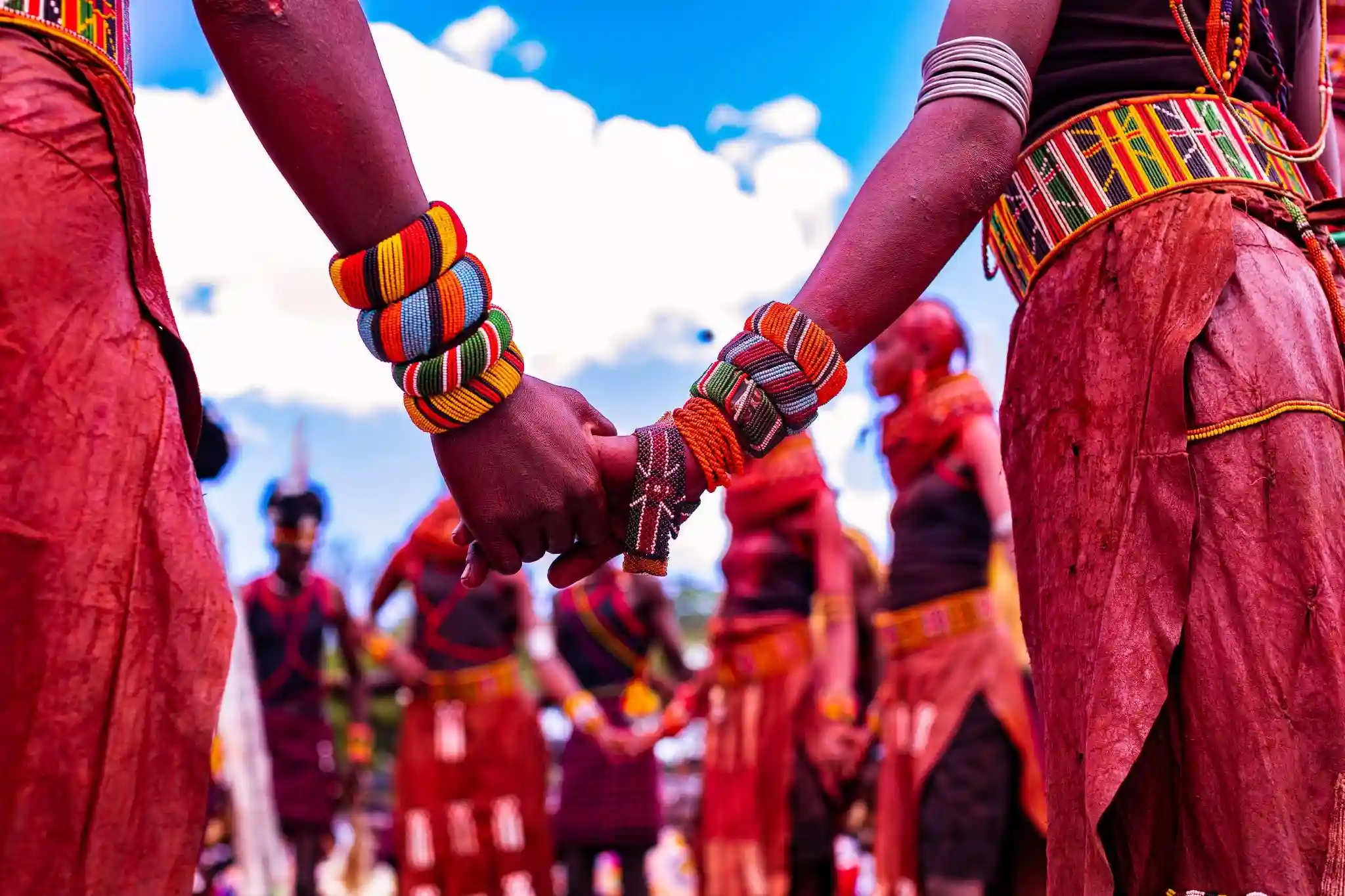
In a world connected by screens and flights, it is easy to forget the depth of local tradition. Cultural festivals remind us. They slow time. They gather communities. They awaken memory. A Cultural Festivals Guide is not just about dates and destinations. It is about understanding how heritage lives in music, costume, ritual, and shared joy. Festivals are living expressions of identity. They reveal how communities honor ancestors, celebrate harvests, or mark sacred transitions. For travelers, these events offer more than entertainment. They offer connection. In the rhythm of drums, in the swirl of fabric, in the glow of lanterns, we witness humanity in its most vibrant form. Festival travel becomes transformative when approached with curiosity and respect.
The Origins of Cultural Festivals Across Civilizations
Long before modern tourism, festivals shaped social life. They were not optional attractions. They were essential gatherings. They structured time. They signaled change. Across continents, civilizations created rituals to honor the seasons, the divine, and communal bonds.
Rituals, Religion, and Seasonal Cycles
Many festivals emerged from agricultural rhythms. Harvest celebrations thanked the earth for abundance. Solstice rituals marked light and darkness. In ancient societies, these events ensured collective survival and spiritual reassurance. Over centuries, rituals evolved yet retained symbolic cores. Consider Diwali in India, which celebrates the triumph of light over darkness. Or Hanami in Japan, which honors the fleeting beauty of blossoms and the passing of time. These traditions are not spectacles created for tourists. They are spiritual and seasonal anchors deeply woven into cultural consciousness.
From Local Tradition to International Attraction
Some festivals have grown beyond their origins. What began as local observances now attract global audiences. Oktoberfest started as a royal wedding celebration in 19th century Bavaria. Today it welcomes millions each year. Carnival in Rio de Janeiro transformed from colonial-era festivities into one of the most iconic celebrations in the world. Global recognition brings economic opportunity but also challenges. Balancing authenticity with accessibility requires thoughtful stewardship. A Cultural Festivals Guide must therefore explore not only history but evolution.
Cultural Festivals as Living Heritage
Festivals preserve traditions that might otherwise fade. Language, dance, and craftsmanship find renewed life during celebration. Communities pass down knowledge through performance and participation. UNESCO recognizes many events as intangible cultural heritage, emphasizing their global value. These designations protect traditions while highlighting their significance. Festivals such as Inti Raymi revive ancient ceremonies and keep indigenous narratives alive. Participation becomes an act of cultural continuity. For travelers, witnessing these traditions demands humility. These are not staged shows. They are living expressions of identity.
Art in Motion: Music, Dance, and Visual Expression
Art lies at the heart of cultural festivals. Sound and movement transform public spaces into theaters of heritage. Celebration becomes performance. Performance becomes storytelling.
Performance Arts at the Heart of Celebration
Dance often communicates history more powerfully than words. During La Tomatina, playful chaos reflects communal joy. At Chinese New Year, dragon dances symbolize strength and prosperity. Parades blend choreography with symbolism. Drums echo ancestral rhythms. Costumed performers embody mythic figures. These artistic expressions transcend language. They invite emotional participation even for visitors unfamiliar with cultural nuances.
Craftsmanship and Traditional Costuming
Textiles, masks, and handcrafted decorations represent generations of skill. In Venice, elaborate masks during Venice Carnival reflect centuries-old artistry. In Mexico, the vibrant altars of Día de los Muertos honor loved ones with symbolic detail. Every bead and brushstroke carries meaning. Craftsmanship transforms celebration into visual poetry. A Cultural Festivals Guide must highlight these artistic dimensions to deepen appreciation beyond surface spectacle.
Iconic Cultural Festivals Around the World
The diversity of global festivals reveals humanity’s boundless creativity. Each region expresses heritage uniquely while sharing universal themes of gratitude, remembrance, and joy.
Asia’s Vibrant Celebrations
Across Asia, color and spirituality intertwine. Holi fills streets with powdered pigments symbolizing renewal. Songkran marks the Thai New Year through water rituals that cleanse and bless. These events merge playfulness with sacred meaning. Travelers who engage respectfully discover profound layers beneath the festivities.
Europe’s Historic and Artistic Gatherings
Europe’s festivals often reflect medieval roots and civic pride. Edinburgh Festival Fringe celebrates creative experimentation in theater and performance. Running of the Bulls embodies centuries-old tradition intertwined with local identity. These gatherings illustrate how heritage adapts while preserving memory.
The Americas’ Fusion of Tradition and Modern Expression
In the Americas, festivals often blend indigenous, colonial, and contemporary influences. Mardi Gras fuses French, African, and Caribbean heritage into vibrant celebration. Calgary Stampede honors frontier history through modern spectacle. Cultural synthesis becomes visible through music, costume, and cuisine.
Planning Your Festival Travel Experience
Attending a cultural festival requires preparation. Research enhances respect. Understanding local customs ensures meaningful participation.
Timing, Etiquette, and Respectful Participation
Festival dates often follow lunar or seasonal calendars. Booking early is essential. Visitors should dress appropriately and learn basic phrases in the local language. Observing rituals before photographing them demonstrates sensitivity. Respect transforms tourism into cultural exchange. A Cultural Festivals Guide must emphasize awareness over consumption.
Supporting Local Communities Through Responsible Travel
Responsible travelers prioritize local businesses. Purchasing handmade crafts supports artisans directly. Choosing community-based accommodations strengthens local economies. Avoiding exploitative tours preserves dignity. Sustainable travel ensures festivals remain vibrant for future generations.
The Transformative Power of Participating in Festivals
Participation alters perspective. Immersing oneself in unfamiliar traditions fosters empathy. Shared celebration dissolves boundaries. Strangers become companions in dance and laughter. The sensory intensity of festivals leaves lasting impressions. Music lingers. Colors remain vivid in memory. Festival travel becomes more than sightseeing. It becomes a journey inward as well as outward.
Expert Advice: How to Choose the Right Festival for You
Selecting a festival requires aligning personal interests with cultural themes. Travelers seeking spiritual reflection might explore sacred observances. Those drawn to artistic innovation may prefer performance-centered events. Budget considerations matter. Climate and crowd size influence comfort. Consulting official tourism boards ensures accurate information. Seasoned travelers recommend arriving early and staying beyond peak days to experience authentic local rhythms. A Cultural Festivals Guide encourages thoughtful planning rather than impulsive attendance.
The Future of Cultural Festivals in a Digital Age
Technology reshapes how festivals are experienced. Livestreams expand audiences beyond geographic limits. Social media amplifies visibility. Yet digital exposure also risks oversimplification. Organizers must balance accessibility with preservation. Hybrid models emerge, combining physical presence with virtual participation. The future will likely see greater collaboration between communities and global audiences. Tradition will continue to evolve while remaining rooted in identity.
Conclusion
Cultural festivals are more than just spectacles of color, music, and movement; they are living stories that connect the past to the present, communities to the world, and individuals to shared human experiences. Each festival carries layers of meaning, from the rituals performed and music played to the costumes worn and cuisines shared. Attending these celebrations allows travelers to step into a narrative far larger than themselves, where history, art, and heritage converge in a tangible, immersive way.
The value of a Cultural Festivals Guide lies in its ability to transform travel from mere sightseeing into meaningful engagement. By understanding the origins, symbolism, and artistic expressions of a festival, visitors can participate with awareness and respect, creating memories that resonate long after the event ends. Festivals also act as a bridge between cultures, fostering empathy and appreciation for traditions different from our own. They reveal universal human desires: to celebrate life, honor ancestors, express creativity, and connect with community.
FAQs
What makes a festival culturally significant?
A festival becomes culturally significant when it preserves historical rituals, reflects community identity, and carries symbolic meaning passed down through generations. Its value lies in maintaining heritage while connecting people across time and space.
How can travelers respectfully participate in traditional festivals?
Travelers should research local customs, dress appropriately, seek permission before taking photographs, and support local vendors. Respectful participation ensures that visitors honor the festival’s cultural and spiritual significance.
Are cultural festivals suitable for families?
Many festivals welcome families and provide educational experiences for children. However, it’s important to consider crowd size, safety measures, and the festival’s intensity to ensure a positive experience for all ages.
How far in advance should festival travel be planned?
Planning several months ahead is recommended, especially for globally recognized festivals that attract large crowds. Early planning secures accommodations, tickets, and allows time to understand the festival’s traditions.
How are cultural festivals adapting to modern audiences?
Festivals are integrating digital platforms, livestreaming events, enhancing accessibility, and adopting sustainable practices. Despite these changes, they strive to preserve core traditions, artistic expression, and community engagement.

